

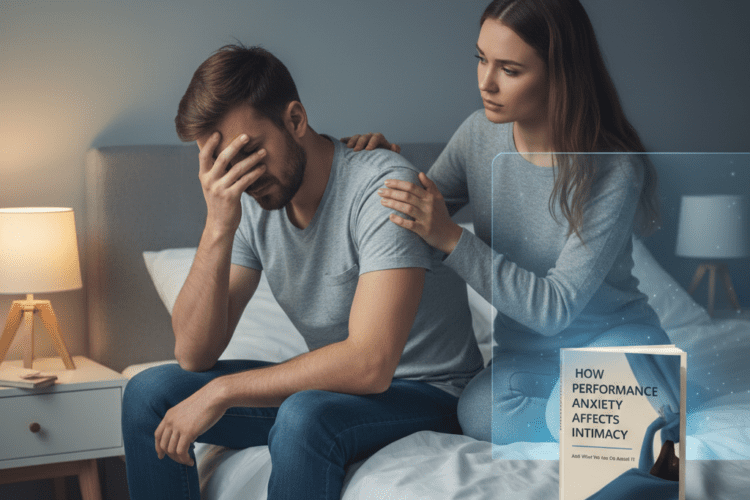
Sexual performance anxiety is far more common than most people realize. Studies suggest that approximately 9-25% of men experience some form of performance anxiety that affects their sexual function, and the numbers may be even higher when accounting for those who don’t seek help or report their concerns. This psychological barrier doesn’t just impact individual confidence; it creates ripples throughout intimate relationships, affecting emotional connection, communication, and overall relationship satisfaction.
Understanding how performance anxiety works and exploring practical solutions can help individuals and couples reclaim intimacy and build stronger connections.
What Is Performance Anxiety?
Performance anxiety in a sexual context refers to worry, fear, or stress about one’s ability to perform sexually. This might manifest as concerns about:
- Achieving or maintaining an erection
- Ejaculating too quickly (premature ejaculation)
- Satisfying a partner
- Body image and physical appearance
- Repeating past “failures”
- Meeting perceived expectations
Research published in the Journal of Sexual Medicine indicates that psychological factors, including anxiety, contribute significantly to sexual dysfunction in men. The condition affects people across all age groups, though younger men often experience it related to inexperience, while older men may connect it to physical changes or past experiences.
The Vicious Cycle: How Anxiety Perpetuates Itself
Performance anxiety creates a self-reinforcing cycle that can be difficult to break:
- Initial Concern: A man worries about his sexual performance, perhaps triggered by a single incident or general insecurity.
- Physical Response: Anxiety triggers the body’s stress response, releasing cortisol and adrenaline. These stress hormones can interfere with arousal, making it harder to achieve or maintain an erection, or contributing to premature ejaculation.
- Negative Experience: The feared outcome occurs, reinforcing the original worry.
- Increased Anxiety: The experience creates more anxiety about future encounters, making the problem worse.
- Avoidance: Some men begin avoiding intimacy altogether to escape the anxiety, which can strain relationships and deepen feelings of inadequacy.
According to research in Sexual Medicine Reviews, this anxiety-performance loop is one of the most common psychological patterns contributing to sexual dysfunction. The brain becomes so focused on monitoring performance that it interferes with the natural, spontaneous responses necessary for sexual function.
The Impact on Relationships
Performance anxiety doesn’t exist in isolation; it affects both partners and the relationship as a whole.
For the Anxious Partner: Beyond the immediate sexual concerns, performance anxiety often leads to decreased self-esteem, depression, and feelings of inadequacy. Many men report feeling less masculine or worthy, which can affect their confidence in other areas of life.
For the Other Partner: Partners may interpret avoidance or difficulties as a lack of attraction or interest in them personally. They might feel rejected, frustrated, or concerned about the relationship’s future. Without open communication, partners often blame themselves, wondering if they’re no longer desirable.
For the Relationship: The combination of anxiety, avoidance, and miscommunication can create emotional distance. Intimacy extends beyond the physical act; when sexual connection suffers, emotional intimacy often follows. Couples may find themselves arguing more, feeling disconnected, or struggling with resentment.
A study in The Journal of Sex Research found that sexual satisfaction is strongly correlated with overall relationship satisfaction, highlighting how addressing sexual concerns can improve relationship quality more broadly.
What You Can Do About It
The good news is that performance anxiety can be effectively addressed . Here are evidence-based strategies that can help:
1. Open Communication
The foundation of addressing performance anxiety is honest conversation with your partner. While it may feel vulnerable, research consistently shows that couples who communicate openly about sexual concerns report better outcomes.
How to start the conversation:
- Choose a neutral time outside the bedroom when you’re both relaxed
- Use “I” statements to express your feelings without blame
- Focus on the emotional impact rather than just the physical symptoms
- Listen to your partner’s perspective and concerns
- Work together to find solutions as a team
Many people find that simply voicing their anxiety reduces its power. Partners are often more understanding and supportive than anticipated.
2. Mindfulness and Present-Moment Awareness
Mindfulness-based interventions have shown promise in improving sexual function. A study published in The Journal of Sexual Medicine found that mindfulness training significantly improved sexual function and reduced anxiety in men.
Practical mindfulness techniques:
- Focus on physical sensations rather than performance thoughts
- Practice breathing exercises during intimacy to stay grounded
- Notice when your mind wanders to worry and gently redirect to sensation
- Engage all five senses during intimate moments
- Use meditation apps or guided practices outside the bedroom
The goal is to shift from being an anxious observer of your performance to an engaged participant in shared pleasure.
3. Redefine Sexual Success
Many people hold narrow definitions of “successful” sex, often centered on penetrative intercourse and simultaneous orgasm. Expanding this definition can relieve enormous pressure.
Consider:
- Valuing the entire intimate experience, not just the “end goal”
- Exploring different forms of pleasure and connection
- Recognizing that satisfying encounters come in many forms
- Focusing on mutual pleasure rather than performance metrics
- Accepting that not every encounter will be identical
Sex therapists often remind couples that great intimacy involves playfulness, experimentation, and sometimes “good enough” experiences alongside exceptional ones.
4. Gradual Exposure and Sensate Focus
Sensate focus is a therapeutic technique developed by Masters and Johnson that helps couples reconnect with physical pleasure without the pressure of performance. It involves structured touching exercises that gradually build intimacy while temporarily removing intercourse from the equation.
Basic sensate focus progression:
- Start with non-genital touching focused on giving and receiving pleasure
- Progress to genital touching without the goal of orgasm
- Eventually reintroduce intercourse when anxiety has decreased
This approach helps rewire associations between intimacy and anxiety, building confidence through positive experiences.
5. Address Underlying Issues
Sometimes performance anxiety is a symptom of other concerns that need attention:
- Stress management: Work stress, financial concerns, or life transitions can contribute to sexual anxiety
- Mental health: Depression and anxiety disorders often affect sexual function
- Relationship issues: Unresolved conflicts or communication problems may manifest as sexual difficulties
- Physical health: Rule out medical conditions that could affect sexual function
6. Professional Help
There’s no shame in seeking professional guidance. Several types of professionals can help:
- Sex therapists: Specialize in sexual concerns and can provide targeted strategies
- Couples counselors: Help address relationship dynamics that may contribute to anxiety
- Psychologists: Can treat underlying anxiety or depression
- Urologists: Can rule out or address physical factors influencing sexual function
Cognitive-behavioral therapy (CBT) has shown particular effectiveness for performance anxiety, helping individuals identify and change thought patterns that perpetuate the problem.
7. Practical Solutions and Tools
While addressing the psychological aspects of performance anxiety is crucial, practical tools can also help break the anxiety cycle and rebuild confidence.
For men specifically concerned about premature ejaculation related to anxiety, several approaches can be helpful:
- Start-stop technique: Pausing stimulation when nearing orgasm, then resuming after arousal decreases
- Squeeze technique: Applying pressure to the tip of the penis when nearing orgasm
- Pelvic floor exercises: Strengthening muscles involved in ejaculatory control
- Topical products: Using delay sprays or wipes that contain mild desensitizing agents
These tools work best when combined with the psychological strategies mentioned above, addressing both the mental and physical aspects of the concern.
Building Long-Term Sexual Confidence
Overcoming performance anxiety is rarely a linear process. There will likely be setbacks and challenging moments. The key is to approach the journey with patience, self-compassion, and realistic expectations.
Remember:
- Progress, not perfection, is the goal
- One difficult experience doesn’t erase progress made
- Your worth isn’t determined by sexual performance
- Intimacy encompasses far more than any single act
- Most partners value emotional connection as much as physical performance
Research in Archives of Sexual Behavior indicates that men who approach sexual difficulties with self-compassion rather than self-criticism experience better outcomes and less anxiety. Treating yourself with the same kindness you’d offer a friend facing similar challenges can make a significant difference.
The Role of Partners in Recovery
If your partner is experiencing performance anxiety, your support can be invaluable:
- Reassure them that their worth isn’t tied to sexual performance
- Initiate conversations about intimacy in non-judgmental ways
- Be patient with the process and celebrate small victories
- Focus on the pleasure you share together rather than specific outcomes
- Consider attending therapy together if appropriate
- Avoid pressure or comments that might increase anxiety
Many couples find that working through sexual challenges together ultimately strengthens their relationship, building communication skills and emotional intimacy that benefit all aspects of their partnership.
Taking Action
If performance anxiety is affecting your intimate life, taking the first step toward addressing it is the most important thing you can do. Whether that means having an honest conversation with your partner, trying some of the techniques mentioned here, or reaching out to a professional, action breaks the cycle of worry and avoidance.
Remember that millions of men experience performance anxiety at some point in their lives. It’s a common, manageable concern, not a permanent condition or a reflection of your value as a partner. With the right approach, most people can significantly reduce or eliminate performance anxiety and enjoy fulfilling intimate lives.
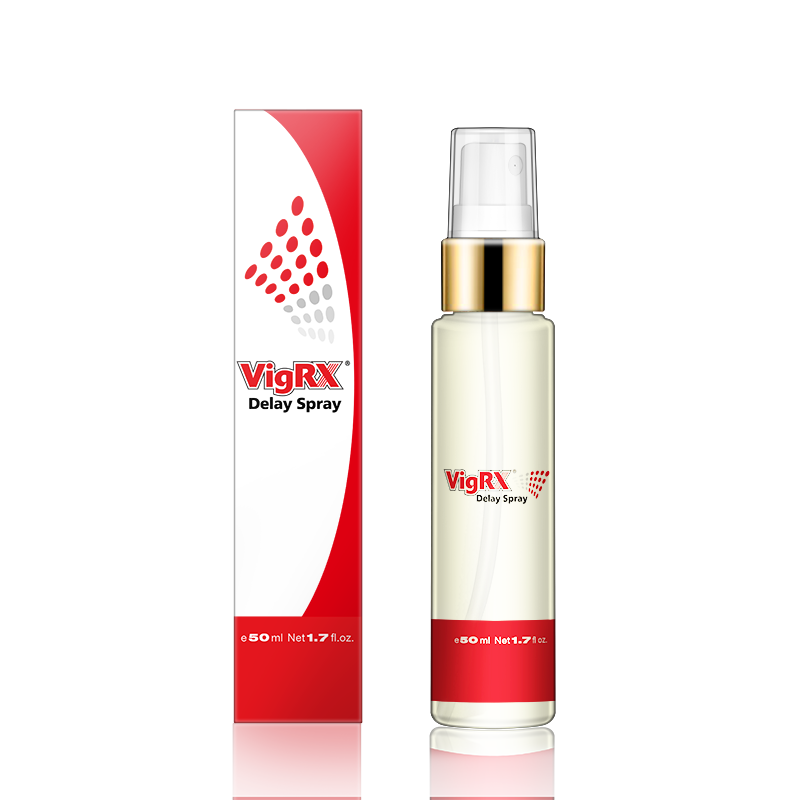
VigRX® Delay Wipes: A Practical Tool for Performance Confidence
For men whose performance anxiety specifically involves concerns about premature ejaculation, VigRX® Delay Wipes offer a practical solution that can help break the anxiety-performance cycle. These individually packaged wipes contain benzocaine, a mild topical anesthetic that temporarily reduces sensitivity, allowing men to last longer during intimate encounters.
What makes VigRX® Delay Wipes particularly helpful for those dealing with performance anxiety is their ease of use and discretion. Applied 10-15 minutes before intimacy, the wipes allow for better ejaculatory control without requiring interruption during intimate moments. Many men find that having a reliable tool to help manage premature ejaculation reduces anticipatory anxiety, making it easier to relax and enjoy intimacy. As confidence builds through positive experiences, the psychological component of performance anxiety often diminishes.
VigRX® Delay Wipes work best as part of a comprehensive approach that includes the communication, mindfulness, and psychological strategies discussed throughout this article. While the wipes address the physical aspect of premature ejaculation, combining them with anxiety-reduction techniques creates a more complete solution. For many men, knowing they have a dependable option available helps reduce worry about performance, allowing them to be more present and connected with their partner. As with any product related to sexual health, it’s wise to discuss its use with your partner and consider consulting a healthcare provider if you have specific concerns or underlying health conditions.
References
- Kalmbach, D. A., et al. (2015). “The impact of sleep on female sexual response and behavior: A pilot study.” Journal of Sexual Medicine, 12(5), 1221-1232.
- Rowland, D. L., & Cooper, S. E. (2019). “Practical tips for sexual counseling and psychotherapy in premature ejaculation.” Journal of Sexual Medicine, 16(3), 310-320.
- Brotto, L. A., & Basson, R. (2014). “Group mindfulness-based therapy significantly improves sexual desire in women.” Behaviour Research and Therapy, 57, 43-54.
- McCabe, M. P., & Connaughton, C. (2014). “Psychosocial factors associated with male sexual difficulties.” Journal of Sex Research, 51(1), 31-42.
- Byers, E. S. (2005). “Relationship satisfaction and sexual satisfaction: A longitudinal study of individuals in long-term relationships.” Journal of Sex Research, 42(2), 113-118.
- Nobre, P. J., & Pinto-Gouveia, J. (2006). “Emotions during sexual activity: Differences between sexually functional and dysfunctional men and women.” Archives of Sexual Behavior, 35(4), 491-499.
- Althof, S. E. (2014). “Psychological approaches to the treatment of rapid ejaculation.” Journal of Men’s Health, 11(2), 94-97.
Masters, W. H., & Johnson, V. E. (1970). Human Sexual Inadequacy. Boston: Little, Brown and Company.