

As a man, you might not think much about hormones beyond testosterone. But your body produces and relies on dozens of different hormones that work together like an intricate system, regulating everything from your energy levels and mood to your muscle mass and sexual function. When these hormones fall out of balance, the effects can significantly impact your quality of life, relationships, and overall health.
Understanding the warning signs of hormonal imbalance is the first step toward reclaiming your vitality and well-being. Let’s explore what you need to know about men’s hormonal health.
Understanding Hormones in Men
While testosterone often gets all the attention, men’s bodies produce and depend on multiple hormones for optimal function. The key hormones that affect men’s health include:
- Testosterone: The primary male sex hormone, responsible for muscle mass, bone density, fat distribution, red blood cell production, sperm production, and sex drive
- Cortisol: Your stress hormone, produced by the adrenal glands
- Thyroid hormones: Regulate metabolism, energy production, and body temperature
- Insulin: Controls blood sugar levels and energy storage
- Growth hormone: Affects muscle growth, bone strength, and body composition
Testosterone is considered the primary male hormone, along with other hormones like cortisol, insulin, and thyroid hormones, and imbalance in any of these may result in four main types of hormonal imbalance in men: andropause, adrenal fatigue, hypothyroidism, and hyperthyroidism.
The Four Main Types of Hormonal Imbalance in Men
1. Andropause (Low Testosterone): Often called “male menopause,” this condition occurs when testosterone levels decline significantly. While testosterone naturally decreases with age, a significant drop can cause numerous symptoms.
2. Adrenal Fatigue: Results from chronically low cortisol levels, often caused by prolonged stress exposure.
3. Hypothyroidism: An underactive thyroid gland that produces insufficient thyroid hormones, slowing your metabolism.
4. Hyperthyroidism: An overactive thyroid that produces excessive thyroid hormones, speeding up your metabolism.
Common Signs of Hormonal Imbalance in Men
1. Low Libido and Sexual Dysfunction
A loss of libido, or sex drive, can be caused by low testosterone or high estrogen levels and can be a psychological challenge that strains intimate relationships. While various factors can affect your sex drive—including stress, relationship issues, or mental health—hormonal imbalance is often a primary culprit.
Erectile dysfunction is another common symptom. Males can have an imbalance of testosterone and other sex hormones, which can cause erectile dysfunction, decreased body hair, gynecomastia, infertility, and loss of interest in sex. While ED can stem from multiple causes including cardiovascular issues and psychological factors, low testosterone frequently plays a significant role.
2. Chronic Fatigue and Low Energy
Do you wake up tired even after a full night’s sleep? Does your energy crash in the afternoon? Persistent fatigue that doesn’t improve with rest is a hallmark sign of hormonal imbalance. Low testosterone can significantly impact your energy levels throughout the day.
Additionally, thyroid hormones play a crucial role in energy production. An underactive thyroid can leave you feeling constantly exhausted, sluggish, and unable to perform at your best.
3. Mood Changes and Mental Health Issues
Low levels of testosterone can lead to fatigue and depression, while high levels of testosterone can cause irritability, anger, and aggressiveness, significantly impacting mood and energy levels.
Men with hormonal imbalances often experience increased irritability, mood swings, decreased motivation, depression, and anxiety. Many men don’t realize these emotional changes stem from a treatable hormone issue and consequently don’t seek the help they need.
4. Loss of Muscle Mass and Increased Body Fat
Have you noticed your physique changing despite maintaining your workout routine and diet? Testosterone plays a vital role in building and maintaining muscle mass. When levels drop, you may experience muscle loss even while training regularly.
Lower testosterone levels or elevated cortisol levels can impede the desired outcomes of hard work at the gym or dieting, leading to muscle decline accompanied by fat gain. This often manifests as increased belly fat, which itself can further disrupt hormone levels, creating a problematic cycle.
5. Decreased Bone Density
Testosterone helps maintain bone strength and density. Research has shown testosterone deficiency contributes to osteoporosis development in men, increasing fracture risk and compromising skeletal health.
6. Gynecomastia (Enlarged Breast Tissue)
Gynecomastia, or enlargement of breast tissue, is a sign of hormonal imbalance in men, caused by decreased testosterone or increased estrogen. While breast tissue may enlarge due to weight gain (fat), true gynecomastia involves actual tissue growth. Beyond physical concerns, this condition can significantly impact self-esteem.
7. Hair Loss or Changes
While male-pattern baldness is largely genetic, rapid or patchy hair loss can indicate hormonal imbalance. Conversely, you might notice decreased body hair growth. Both testosterone and thyroid hormones affect hair growth patterns.
8. Sleep Disturbances
Difficulty falling asleep, staying asleep, or poor sleep quality can both cause and result from hormonal imbalances. Low testosterone has been linked to sleep disorders, and poor sleep further suppresses testosterone production, creating a vicious cycle.
9. Brain Fog and Memory Issues
Having trouble concentrating? Forgetting things more often? Hormonal imbalances can affect cognitive function, leading to difficulties with memory, focus, and mental clarity. This “brain fog” can impact your work performance and daily activities.
10. Hot Flashes and Night Sweats
While commonly associated with women’s menopause, men can also experience hot flashes and night sweats due to hormonal changes, particularly during andropause when testosterone levels decline significantly.
What Causes Hormonal Imbalances in Men?
Understanding the causes can help you take preventive action:
Age: Testosterone naturally decreases as men age and may result in undesirable issues when it dips too low. Men typically begin experiencing gradual testosterone decline starting around age 30-40, with levels dropping approximately 1-2% per year.
Lifestyle Factors: Poor diet, lack of exercise, inadequate sleep, excessive alcohol consumption, and smoking can all negatively impact hormone production. Chronic stress is particularly damaging, causing elevated cortisol levels that suppress testosterone production.
Obesity: Excess body fat, especially around the midsection, converts testosterone to estrogen, creating a hormonal imbalance that leads to further weight gain.
Medical Conditions: Diabetes, metabolic syndrome, thyroid disorders, pituitary gland problems, and testicular injuries can all disrupt hormone balance.
Medications: Certain medications, including opioids, steroids, and some antidepressants, can interfere with hormone production.
Environmental Toxins: Exposure to endocrine-disrupting chemicals in pesticides, plastics, and certain personal care products can interfere with hormone function.
When to See a Doctor
If you’re experiencing multiple symptoms that interfere with your daily life, work performance, or relationships, it’s time to consult a healthcare provider. Don’t dismiss these symptoms as simply “getting older”—they could indicate a treatable condition.
Your doctor can order blood tests to measure your hormone levels, including:
- Total and free testosterone
- Thyroid hormones (TSH, T3, T4)
- Cortisol levels
- Estrogen and estradiol
- DHEA and other hormones as needed
Keeping a symptom journal before your appointment can help your doctor identify patterns and make an accurate diagnosis.
Natural Ways to Support Hormonal Balance
While medical treatment may be necessary for significant hormonal imbalances, several lifestyle modifications can help support healthy hormone production:
Optimize Your Nutrition: Eat a balanced diet rich in whole foods, healthy fats, and adequate protein. Proteins provide essential amino acids that help maintain muscle, skin, and bone health and affect the release of hormones that control appetite. Include foods rich in zinc (oysters, beef, pumpkin seeds), vitamin D (fatty fish, egg yolks), and healthy fats (avocados, nuts, olive oil).
Exercise Regularly: Both resistance training and cardiovascular exercise support healthy testosterone levels and help regulate insulin. Physical exercise helps reduce insulin levels in your body and is beneficial to hormone regulation.
Prioritize Sleep: Aim for 7-9 hours of quality sleep nightly. Sleep regulates cortisol levels, which in turn helps regulate other hormones. Poor sleep directly suppresses testosterone production.
Manage Stress: Chronic stress elevates cortisol, which suppresses testosterone production. Practice stress-reduction techniques like meditation, deep breathing, spending time in nature, or engaging in hobbies you enjoy.
Maintain a Healthy Weight: Losing excess body fat, particularly around the midsection, can significantly improve hormone balance and testosterone levels.
Limit Alcohol and Avoid Smoking: Both substances can disrupt hormone production and lead to serious health complications, including liver and kidney disease.
Reduce Toxin Exposure: Minimize exposure to endocrine-disrupting chemicals by choosing BPA-free containers, eating organic when possible, and selecting natural personal care products.
The Role of Adaptogenic Herbs
Beyond lifestyle modifications, many men find support through adaptogenic herbs—natural substances that help the body adapt to stress and maintain hormonal balance. One such adaptogen gaining significant recognition for men’s hormonal health is maca root.
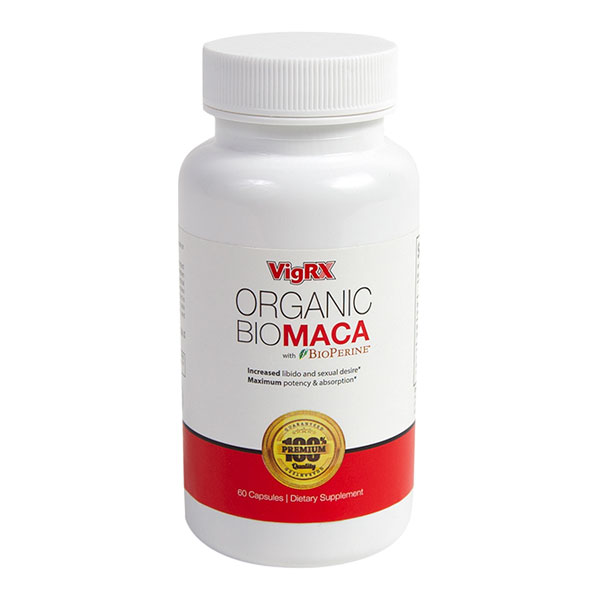
Introducing VigRX® Bio Maca
VigRX® Bio Maca is a premium supplement featuring maca root (Lepidium meyenii), a powerful adaptogenic plant native to the high Andes mountains of Peru. For over 2,000 years, indigenous populations have used maca root to support vitality, stamina, and hormonal health.
What makes maca particularly valuable for men’s hormonal balance is its unique mechanism of action. Unlike hormone replacement therapy, maca doesn’t contain hormones or directly add them to your body. Instead, it works as an adaptogen to support your body’s natural hormone production and balance.
How VigRX® Bio Maca Supports Men’s Hormonal Health:
Endocrine System Support: The plant sterols in maca are believed to stimulate the endocrine system, helping maintain hormonal balance by supporting the pituitary gland, which in turn helps improve testicular function, thyroid function, and adrenal gland performance. This systemic support helps your body maintain optimal hormone levels naturally.
Stress Response Management: Maca works through the hypothalamic-pituitary-adrenal (HPA) axis to modulate your body’s stress response. By helping regulate cortisol secretion during stressful periods, maca supports overall hormonal equilibrium. When cortisol is properly regulated, it doesn’t suppress testosterone production, allowing your body to maintain healthy testosterone levels.
Energy and Vitality: Maca is rich in nutrients that support men’s health, including iron, magnesium, zinc, amino acids, and essential fatty acids. These nutrients contribute to sustained energy levels, physical stamina, and overall vitality—all commonly affected by hormonal imbalances.
Sexual Health Support: Research and traditional use suggest maca may help support healthy libido and sexual function in men. By working to balance hormones naturally and supporting energy levels, maca addresses multiple factors that contribute to optimal sexual health.
Physical Performance: The combination of hormonal support, nutrient density, and adaptogenic properties makes maca valuable for men looking to maintain muscle mass, strength, and physical performance as they age.
VigRX® Bio Maca offers a natural, holistic approach to supporting your body’s hormonal balance. Rather than simply addressing symptoms, it works at a foundational level to help your endocrine system function optimally. Combined with the lifestyle modifications outlined above—proper nutrition, regular exercise, stress management, quality sleep, and healthy weight maintenance—VigRX® Bio Maca can be a valuable tool in your journey toward optimal hormonal health and overall vitality.
If you’re experiencing symptoms of hormonal imbalance that affect your energy, mood, sexual function, or quality of life, consider making VigRX® Bio Maca part of your wellness strategy. It’s time to take control of your hormonal health and reclaim the vitality you deserve.
References
- Medanta – Signs of Hormonal Imbalance in Men (2019)
- Cleveland Clinic – Hormonal Imbalance: Causes, Symptoms & Treatment (2023)
- Biote – Male Hormonal Imbalance Symptoms (2023)
- Good Body Clinic – Men’s Hormone Imbalance: What You Need to Know (2024)
- MedicineNet – How Can a Man Tell if He Has a Hormonal Imbalance? (2021)
- Marion Gluck Clinic – Common Questions About Hormone Imbalances Every Man Should Know (2024)
- Nava Health – Hormone Imbalance in Men: Symptoms & Treatment (2025)
- Medical News Today – Hormonal Imbalance: Symptoms, Causes, and Treatment (2024)
- BodyLogicMD – 5 Hormonal Imbalance Symptoms in Men (2024)
- UCLA Health – 7 Signs of a Hormonal Imbalance (2024)