


A practical nutrition guide for urinary health and bladder control
If you’ve ever found yourself rushing to the bathroom more than usual—or experienced the frustration of unexpected leaks—you’re not alone. Millions of people deal with bladder control issues every day, and what many don’t realize is that diet plays a significant role. The foods and drinks you consume can either soothe or irritate your bladder, making a real difference in how well you manage urinary urgency, frequency, and leakage.
This guide breaks down the best bladder-friendly foods to incorporate into your diet, the common culprits you may want to limit, and practical tips for using nutrition as a foundation of better bladder health.
Why Does Diet Affect Bladder Control?
The bladder is a sensitive organ. Certain substances in foods and beverages—like caffeine, alcohol, and artificial sweeteners—can act as diuretics (increasing urine production) or bladder irritants (inflaming the bladder lining and triggering the urge to urinate). On the flip side, a diet rich in anti-inflammatory, magnesium-rich, and fiber-dense foods can help reduce pressure on the bladder and support the pelvic floor muscles that keep things in check.
According to the National Institute of Diabetes and Digestive and Kidney Diseases (NIDDK), dietary changes are one of the first-line lifestyle strategies recommended for managing overactive bladder and urinary incontinence.
Foods That Support Bladder Health
1. Water (Yes, Really)
It may seem counterintuitive, but staying well-hydrated is essential for bladder health. When you’re dehydrated, urine becomes more concentrated, which can irritate the bladder lining and worsen urgency. Aim for 6–8 glasses of water per day, spread throughout the day rather than consumed all at once. Avoid reducing fluid intake drastically to cut down on bathroom trips—this can backfire and cause more issues over time.
2. Bananas
Bananas are low in acidity and easy on the bladder. They’re also high in fiber, which helps prevent constipation—an often-overlooked factor that contributes to bladder pressure and urgency. Research published in the Journal of Urology has noted the connection between bowel and bladder function, making high-fiber foods particularly valuable.
3. Pears
Pears are a great bladder-safe fruit option. Unlike citrus fruits, pears are mild in acidity and rich in fiber. They make an excellent snack or addition to oatmeal and salads without triggering irritation.
4. Leafy Greens (Kale, Spinach, Lettuce)
Dark leafy greens are rich in magnesium, a mineral that plays a role in bladder muscle function. A study published in the British Journal of Urology International found that magnesium supplementation helped reduce urinary frequency and incontinence in some women. Loading up on greens is a natural way to boost your intake.
5. Whole Grains (Oats, Brown Rice, Quinoa)
High-fiber whole grains help regulate bowel movements, reducing pressure on the bladder. They’re also low on the glycemic index, which may be relevant since some research suggests a link between blood sugar management and pelvic floor function.
6. Lean Proteins (Chicken, Turkey, Fish)
Lean proteins are bladder-neutral—they don’t irritate the bladder and are an important part of overall muscle health, including the muscles of the pelvic floor. Fatty fish like salmon and mackerel also provide omega-3 fatty acids, which have anti-inflammatory benefits that may support bladder health.
7. Nuts and Seeds
Almonds, sunflower seeds, and flaxseeds are excellent sources of magnesium and healthy fats. Flaxseeds in particular are high in fiber and have been studied for their potential anti-inflammatory effects on the urinary tract.
8. Potatoes (Non-Spicy Preparations)
Plain potatoes are considered bladder-safe foods. They’re starchy, filling, and non-irritating. Avoid preparations that include hot spices, which can aggravate the bladder.
Foods and Drinks to Avoid (or Limit)
Many common foods and beverages are known bladder irritants. You don’t necessarily need to eliminate them entirely, but reducing your intake—especially during flare-ups—may significantly improve your symptoms.
1. Caffeine (Coffee, Tea, Energy Drinks)
Caffeine is a well-established bladder stimulant and diuretic. Research published in the American Journal of Obstetrics and Gynecology found that high caffeine intake was associated with urinary urgency and frequency. Even decaf coffee has some irritating properties due to its acidity.
2. Alcohol
Alcohol acts as a diuretic, increasing urine production while also reducing your awareness of when you need to go—a combination that can worsen leakage. Beer, wine, and spirits can all be triggering for people with bladder sensitivity.
3. Citrus Fruits and Juices
Oranges, grapefruits, lemons, and limes are high in citric acid, which can irritate the bladder wall. Tomatoes and tomato-based products (sauces, ketchup, juice) fall into the same category.
4. Spicy Foods
Hot peppers and spicy seasonings can trigger bladder urgency. The active compound capsaicin, while beneficial in some contexts, has been shown to stimulate nerve endings in the bladder in a way that increases urgency.
5. Artificial Sweeteners
Saccharin, aspartame, and other artificial sweeteners found in diet sodas, sugar-free products, and some chewing gums have been linked to bladder irritation in some individuals. The evidence is mixed, but many bladder specialists recommend reducing intake.
6. Carbonated Beverages
Sparkling water and fizzy drinks—even without caffeine—can irritate the bladder due to their carbonation. Many people find that switching to still water makes a noticeable difference.
7. Chocolate
Chocolate contains small amounts of caffeine and other compounds that can act as bladder irritants. Dark chocolate tends to have more caffeine than milk chocolate, so those sensitive to bladder triggers may want to limit their intake.
Practical Tips for a Bladder-Friendly Diet
- Keep a bladder diary: Track what you eat and drink alongside your symptoms. This helps identify your personal triggers, which can vary from person to person.
- Eliminate and reintroduce: Try removing common irritants for 2–4 weeks, then slowly reintroduce them one at a time to identify which ones affect you most.
- Watch your portions: Small servings of irritating foods may be fine, while large amounts can trigger symptoms.
- Time your fluids: Drink more fluids early in the day and taper off in the evening to reduce nighttime bathroom trips (nocturia).
- Work with a healthcare provider: A registered dietitian or urologist can provide a tailored plan based on your specific symptoms and health history.
The Bottom Line
Bladder control is influenced by a complex interplay of factors—hormones, muscle health, nerve signals, and yes, diet. While no single food is a magic cure, consistently choosing bladder-friendly foods and limiting common irritants can meaningfully reduce urgency, frequency, and leakage over time. Combined with pelvic floor exercises and a healthy lifestyle, dietary adjustments form a powerful foundation for regaining control and confidence.
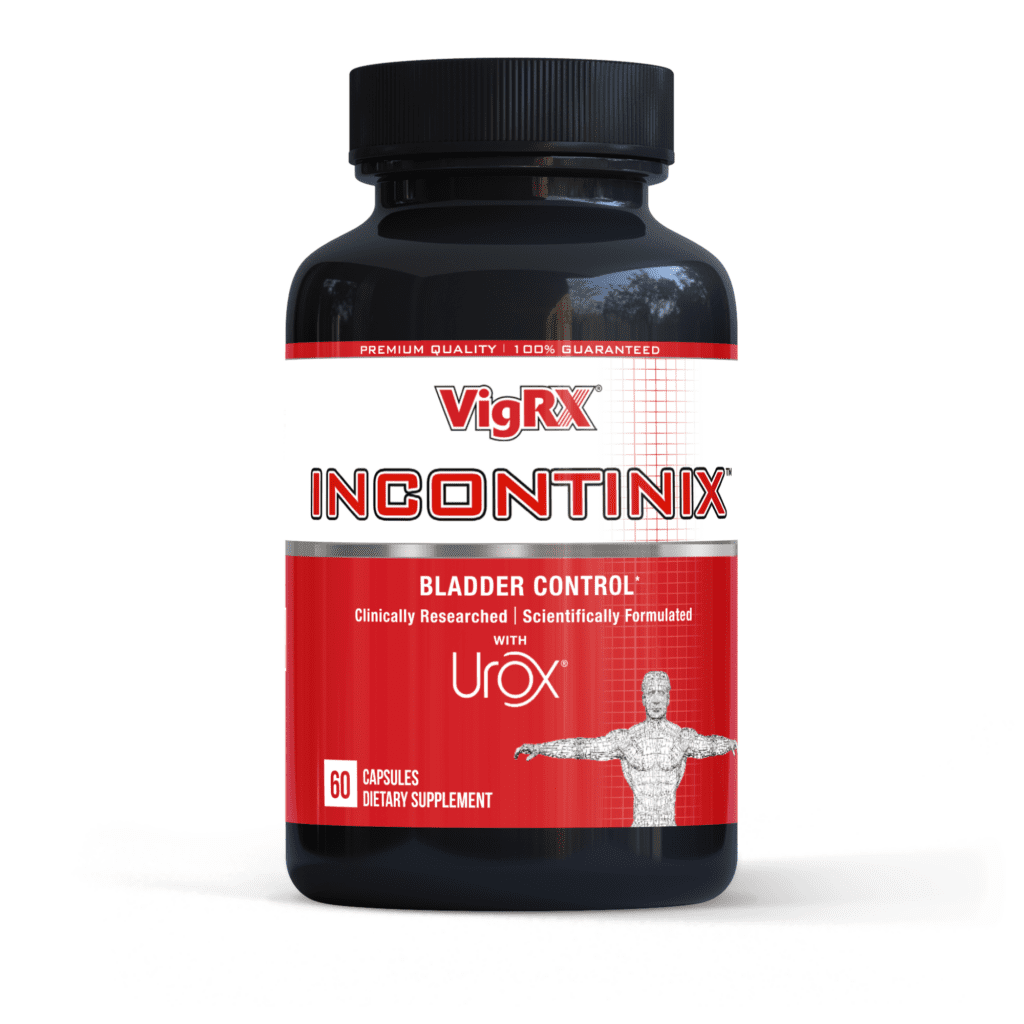
Supporting Bladder Control with VigRX® Incontinix
While adjusting your diet is a powerful first step, some men benefit from additional targeted support. VigRX® Incontinix is a 100% natural, clinically tested bladder support supplement formulated specifically for men. Its three-part formula has undergone 14 clinical trials and is backed by 24 international patents. In an 8-week double-blind, placebo-controlled clinical study, participants taking the Incontinix formula experienced a 62% reduction in urinary urgency and a 50% decrease in leaks. Researchers noted that ALL markers associated with bladder health improved—results that were published in the peer-reviewed journal BMC Complementary Medicine and Therapies. Each daily serving delivers a clinically studied dose of 840mg, and some users reported noticing improvements in as little as two weeks.
The formula works by strengthening three key areas of bladder function: the bladder muscles, the pelvic wall, and the sphincter, for what the brand describes as total bladder control day and night. Its three active ingredients are Cratevox™ (Crataeva Nurvala), a patented extract studied for improving bladder tone and capacity; Lindera Aggregata, an herb traditionally used to help restore a more youthful sense of bladder control; and Horsetail (Equisetum Arvense), valued for its anti-inflammatory properties that support normal bladder function. Together, these ingredients are said to produce a synergistic bladder-strengthening effect. Incontinix comes with a 67-day money-back guarantee, and the suggested dose is simply two capsules per day. As with any supplement, it is advisable to consult your healthcare provider before starting, particularly if you are managing other health conditions or taking medications.
References
1. National Institute of Diabetes and Digestive and Kidney Diseases (NIDDK). (2021). Bladder Control Problems & Nerve Disease. U.S. Department of Health and Human Services. https://www.niddk.nih.gov/health-information/urologic-diseases/bladder-control-problems
2. Townsend, M.K., Curhan, G.C., Resnick, N.M., & Grodstein, F. (2008). The incidence of urinary incontinence across Asian, Black, and White women in the United States. American Journal of Obstetrics and Gynecology, 202(4), 378.e1–7.
3. Maserejian, N.N., Wager, C.G., Giovannucci, E.L., Curto, T.M., McVary, K.T., & McKinlay, J.B. (2013). Intake of caffeinated, carbonated, or citrus beverage types and development of lower urinary tract symptoms in men and women. American Journal of Epidemiology, 177(12), 1399–1410.
4. Dallosso, H., McGrother, C., Matthews, R., & Donaldson, M. (2003). The association of diet and other lifestyle factors with overactive bladder and stress incontinence: a longitudinal study in women. BJU International, 92(1), 69–77.
5. Fantl, J.A., Newman, D.K., Colling, J., et al. (1996). Urinary Incontinence in Adults: Acute and Chronic Management. Clinical Practice Guideline No. 2. AHCPR Publication No. 96-0682. Rockville, MD: U.S. Department of Health and Human Services.
6. Nishizawa, Y., Nakamura, T., Osaki, Y., & Ishimoto, Y. (2014). Pumpkin Seed Extract: Cell Scientific Support for Attributes to Reduce Symptoms of Benign Prostatic Hyperplasia. Journal of Traditional and Complementary Medicine, 4(1), 72–74.
7. Quaghebeur, J., & Wyndaele, J.J. (2015). Chronic pelvic pain syndrome and bladder pain syndrome/interstitial cystitis: Role of dietary factors. Neurourology and Urodynamics, 34(1), 72–77.
8. Shamliyan, T., Wyman, J., Bliss, D.Z., Kane, R.L., & Wilt, T.J. (2007). Prevention of urinary and fecal incontinence in adults. Evidence Report/Technology Assessment No. 161. Agency for Healthcare Research and Quality.
9. Schneider, T., Rübben, H. (2004). Stinging nettle root extract (Bazoton-uno) in long term treatment of benign prostatic syndrome. Urologist, 43, 302–306.
10. Subak, L.L., Wing, R., West, D.S., Franklin, F., Vittinghoff, E., Creasman, J.M., et al. (2009). Weight loss to treat urinary incontinence in overweight and obese women. New England Journal of Medicine, 360(5), 481–490.