


The human body produces a remarkable molecule that acts as a master regulator of cardiovascular health, athletic performance, and overall vitality. This molecule is nitric oxide (NO), and understanding how it works can unlock profound improvements in your physical and mental well-being.
What Is Nitric Oxide?
Nitric oxide is a gaseous signaling molecule produced naturally in the body, primarily by the endothelial cells lining blood vessels. Despite its simple chemical structure, NO plays a crucial role in numerous physiological processes. In 1998, the Nobel Prize in Physiology or Medicine was awarded to researchers who discovered nitric oxide’s function as a cardiovascular signaling molecule, highlighting its fundamental importance to human health.
The Circulation Connection
At its core, nitric oxide is a vasodilator, meaning it relaxes and widens blood vessels. This vasodilation effect has cascading benefits throughout the body:
Enhanced Blood Flow: When nitric oxide signals smooth muscle cells in blood vessel walls to relax, arterial diameter increases, allowing more blood to flow through with less resistance. This improved circulation delivers oxygen and nutrients more efficiently to every cell, tissue, and organ in your body.
Blood Pressure Regulation: By promoting vasodilation, nitric oxide helps maintain healthy blood pressure levels. Research published in the journal Hypertension has demonstrated that impaired nitric oxide production is associated with elevated blood pressure and increased cardiovascular risk.
Arterial Health: Nitric oxide helps prevent the adhesion of white blood cells to vessel walls and inhibits platelet aggregation, both of which contribute to maintaining clean, flexible arteries. Studies in Circulation Research have shown that adequate NO levels are essential for preventing atherosclerosis and maintaining vascular health.
Performance Enhancement Through Better Circulation
Athletes and fitness enthusiasts have long recognized the performance benefits of optimized nitric oxide production:
Increased Exercise Capacity: Enhanced blood flow means working muscles receive more oxygen during exercise. Research in the Journal of Applied Physiology has shown that nitric oxide supplementation can improve exercise tolerance and delay fatigue during high-intensity activities.
Faster Recovery: Improved circulation accelerates the removal of metabolic waste products like lactic acid while delivering recovery nutrients to fatigued muscles. A study in Nutrients found that strategies enhancing nitric oxide production could reduce muscle soreness and speed recovery between training sessions.
Enhanced Endurance: By improving oxygen delivery and utilization, nitric oxide supports sustained physical performance. Multiple studies have demonstrated that athletes with higher nitric oxide bioavailability often exhibit superior endurance capabilities.
Muscle Pump and Growth: The increased blood flow creates the satisfying “pump” feeling during resistance training while also delivering anabolic nutrients and hormones to muscle tissue, potentially supporting muscle development.
Vitality and Overall Wellness
Beyond athletic performance, nitric oxide contributes to everyday vitality in numerous ways:
Cognitive Function: The brain requires approximately 20% of the body’s oxygen supply despite representing only 2% of body weight. Enhanced cerebral blood flow through nitric oxide-mediated vasodilation supports mental clarity, focus, and cognitive performance. Research in Neurochemistry International has linked healthy NO levels to improved brain function and neuroprotection.
Energy Levels: Efficient oxygen and nutrient delivery throughout the body translates to sustained energy levels and reduced fatigue. Many people report feeling more energetic and vital when their nitric oxide production is optimized.
Sexual Health: Nitric oxide plays a critical role in sexual function for both men and women by promoting blood flow to reproductive tissues. The mechanism of action for many medications addressing erectile dysfunction involves enhancing nitric oxide pathways.
Immune Function: NO serves as part of the body’s defense system, with immune cells producing it to help combat pathogens. Adequate nitric oxide levels support overall immune health and resilience.
Natural Ways to Boost Nitric Oxide Production
Your body produces nitric oxide through several pathways, and you can support these processes through lifestyle choices:
Dietary Nitrates: Vegetables high in nitrates, particularly beetroot, leafy greens like spinach and arugula, and celery, provide precursors for nitric oxide production. The body converts dietary nitrates into nitrites and then into nitric oxide, especially during low-oxygen conditions.
L-Arginine and L-Citrulline: These amino acids serve as building blocks for nitric oxide synthesis. L-citrulline, found in watermelon, converts to L-arginine in the body, which then produces NO through the nitric oxide synthase enzyme pathway. Research in the British Journal of Clinical Pharmacology suggests that L-citrulline supplementation may be more effective than L-arginine for boosting NO levels due to better absorption.
Antioxidants: Compounds like vitamin C, vitamin E, and polyphenols protect nitric oxide from degradation by reactive oxygen species, effectively extending NO’s beneficial effects. Berries, dark chocolate, and green tea are excellent sources.
Exercise: Regular physical activity stimulates nitric oxide production through shear stress on blood vessel walls. Even moderate exercise can upregulate the enzymes responsible for NO synthesis.
Sunlight Exposure: UVA rays can trigger the release of nitric oxide stored in the skin, providing another pathway for NO production independent of diet.
The Age Factor
Unfortunately, nitric oxide production naturally declines with age. Studies indicate that NO bioavailability can decrease by up to 50% by age 40 and continues declining thereafter. This reduction contributes to many age-related changes including decreased cardiovascular function, reduced exercise capacity, and diminished vitality.
This age-related decline makes supporting nitric oxide production increasingly important as we get older. Combining dietary strategies, regular exercise, and targeted supplementation can help maintain healthy NO levels throughout life.
Scientific Evidence and Research
The body of research supporting nitric oxide’s importance continues to grow. A comprehensive review in Circulation examined decades of research and concluded that nitric oxide is essential for cardiovascular health, with deficiencies linked to hypertension, atherosclerosis, and heart disease.
Research published in Free Radical Biology and Medicine has explored how nitric oxide acts as both a signaling molecule and an antioxidant, protecting cells from oxidative damage while coordinating complex physiological responses.
Studies in sports nutrition journals have consistently demonstrated that interventions increasing nitric oxide availability can enhance various aspects of athletic performance, from power output to time to exhaustion.
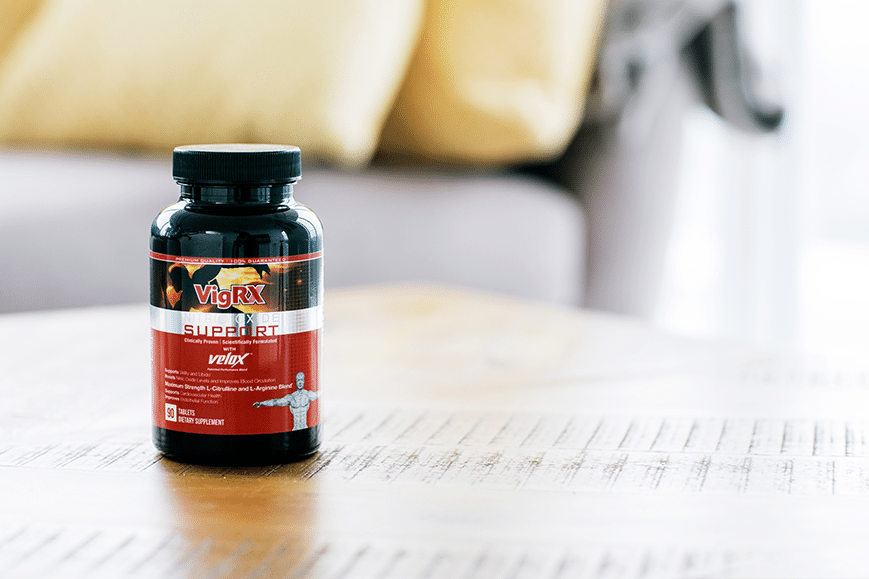
VigRX® Nitric Oxide Support
For those seeking a comprehensive approach to supporting healthy nitric oxide levels, VigRX® Nitric Oxide Support offers a scientifically formulated solution designed to enhance circulation, performance, and vitality.
This advanced formula combines key ingredients known to support nitric oxide production through multiple pathways. By providing both L-arginine and L-citrulline, VigRX® Nitric Oxide Support addresses NO synthesis through the traditional enzymatic pathway while ensuring sustained amino acid availability. The formula also includes complementary nutrients that support vascular health and protect nitric oxide from premature degradation.
VigRX® Nitric Oxide Support is designed for individuals looking to optimize their cardiovascular health, enhance their physical performance, or simply maintain their vitality as they age. Whether you’re an athlete seeking a competitive edge, a fitness enthusiast wanting better workouts and recovery, or someone focused on long-term health and wellness, supporting your body’s nitric oxide production represents a science-backed strategy for achieving your goals. The convenient formulation makes it easy to incorporate into your daily routine, providing consistent support for your body’s circulation and vitality.
Conclusion
Nitric oxide represents one of the body’s most important signaling molecules, with far-reaching effects on circulation, performance, and overall vitality. From enhancing blood flow and supporting cardiovascular health to improving athletic performance and promoting daily energy, this remarkable molecule deserves attention in any comprehensive wellness strategy.
By understanding how nitric oxide works and implementing strategies to support its production—whether through diet, exercise, lifestyle modifications, or targeted supplementation—you can tap into your body’s natural mechanisms for optimal health and performance. As research continues to unveil new benefits of this crucial molecule, one thing remains clear: supporting healthy nitric oxide levels is an investment in your long-term vitality and well-being.
References
- Ignarro LJ, et al. “Nitric oxide as a signaling molecule in the vascular system: an overview.” Journal of Cardiovascular Pharmacology, 1999; 34(6): 879-886.
- Münzel T, et al. “Vascular consequences of endothelial nitric oxide synthase uncoupling for the activity and expression of the soluble guanylyl cyclase and the cGMP-dependent protein kinase.” Arteriosclerosis, Thrombosis, and Vascular Biology, 2005; 25(8): 1551-1557.
- Lundberg JO, Weitzberg E. “Nitrate and nitrite in biology, nutrition and therapeutics.” Nature Chemical Biology, 2009; 5(12): 865-869.
- Jones AM. “Dietary nitrate supplementation and exercise performance.” Sports Medicine, 2014; 44(Suppl 1): S35-45.
- Bailey SJ, et al. “Dietary nitrate supplementation reduces the O2 cost of low-intensity exercise and enhances tolerance to high-intensity exercise in humans.” Journal of Applied Physiology, 2009; 107(4): 1144-1155.
- Schwedhelm E, et al. “Pharmacokinetic and pharmacodynamic properties of oral L-citrulline and L-arginine: impact on nitric oxide metabolism.” British Journal of Clinical Pharmacology, 2008; 65(1): 51-59.
- Taddei S, et al. “Age-related reduction of NO availability and oxidative stress in humans.” Hypertension, 2001; 38(2): 274-279.
- Stamler JS, Meissner G. “Physiology of nitric oxide in skeletal muscle.” Physiological Reviews, 2001; 81(1): 209-237.
- Förstermann U, Sessa WC. “Nitric oxide synthases: regulation and function.” European Heart Journal, 2012; 33(7): 829-837.
Giles TD, et al. “Nitric oxide and myocardial function in heart failure: friend or foe?” Heart Failure Reviews, 2012; 17(4-5): 609-615.